. Programs & Activities
A. Oceans & Reefs
Coral nurseries & reef transplantation.
Artificial reef structures to boost biodiversity.
Community-led marine patrols against illegal fishing.
Ocean clean-up and ghost net removal campaigns.
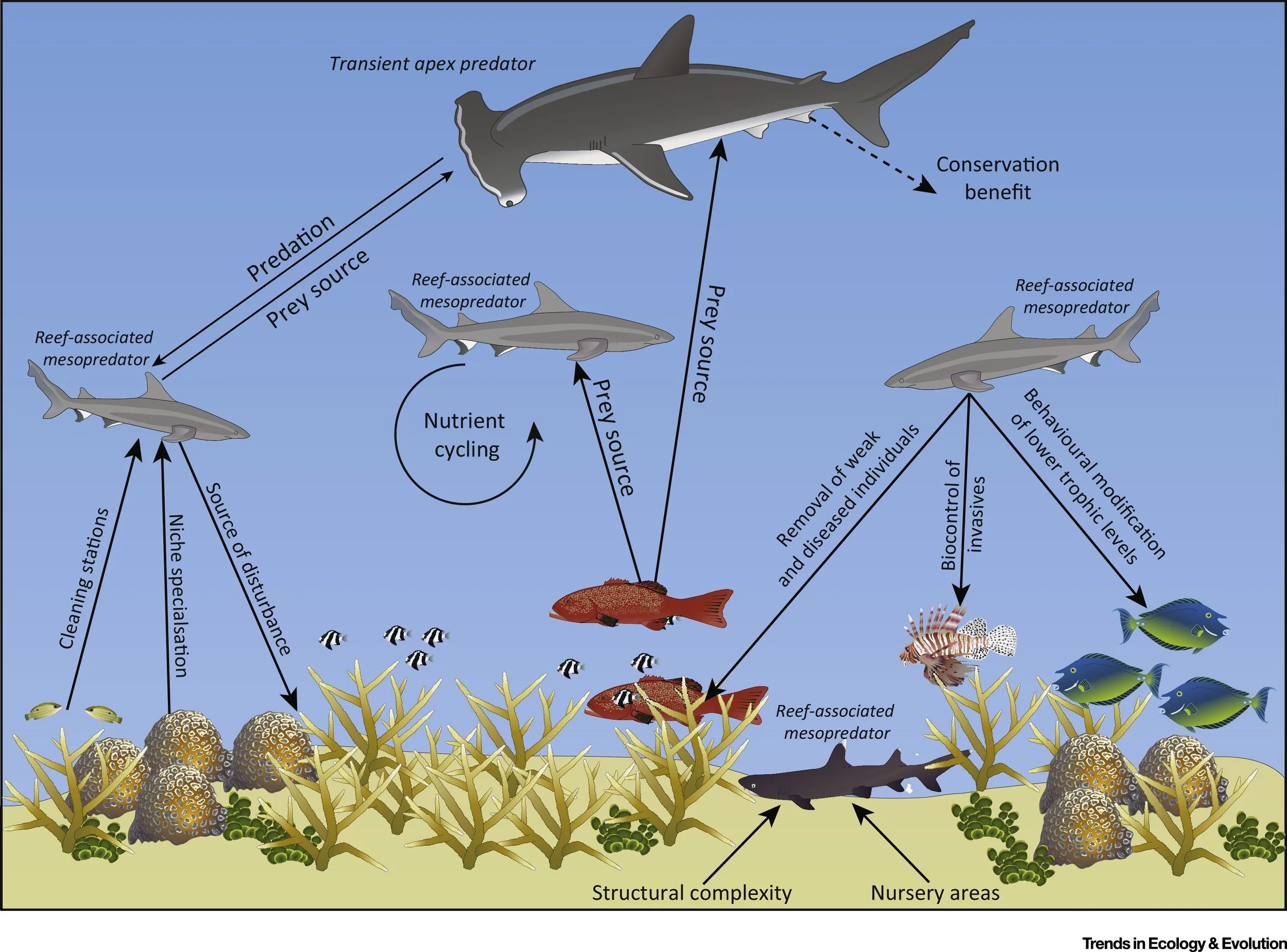
Shark sanctuaries and no-take zones in critical breeding and feeding areas.
Satellite tagging and migratory mapping to inform policy.
Advocacy for global bans on shark fin trade.
B. Forests
Native tree planting & natural regeneration.
Fire prevention and sustainable forest management.
Wildlife corridors to connect fragmented habitats.
Anti-poaching patrols for big cats and raptors.
Reconnecting predator hunting ranges via wildlife corridors.
Conflict mitigation programs between predators and local livestock keepers
C. Deserts
Sand dune stabilization using native plants.
Restoration of oases and natural water sources.
Protection of endangered desert species.
Habitat protection for desert carnivores.
Water station installation for wildlife in drought-prone areas.
Research on nocturnal predator populations using camera traps
D. Cross-Ecosystem Programs
Climate resilience education.
Carbon offset projects verified by global standards.
Youth leadership camps for conservation.
Cross-Ecosystem Predator Program
Apex Predator Awareness Month (annual campaign).
Predator-adopt programs (symbolic adoptions to fund research and protection).
Educational programs on the role of predators in climate and ecosystem health.
Objectives (First 5 Years)
Restore & Protect Ecosystems
Restore 250 hectares of coral reefs using innovative reef structures and coral farming.
Protect key apex predator species through habitat protection, anti-poaching efforts, and international trade regulation advocacy.
Reforest 500,000 native trees in tropical and temperate forests.
Combat desertification across 5,000 hectares of degraded desert land.
Establish 5 marine protected areas with local enforcement partnerships.
Community Empowerment
Train 100 local conservation stewards in sustainable livelihoods (eco-tourism, regenerative agriculture, reef-friendly fishing).
Support 20 Indigenous-led conservation initiatives.
Develop community-led eco-tourism focused on predator conservation (e.g., shark diving, wildlife tracking).
Advocacy & Awareness
Reach 10 million people globally through educational campaigns.
Contribute to 3 major policy changes at national or international levels.
Research
Fund 20 scientific research projects on biodiversity, ecosystem resilience, and restoration techniques.
Fund predator population tracking projects and tagging programs for sharks, big cats, and raptors.